
The Japanese sugar bowl aesthetic transcends mere utility, embodying centuries of artistry and cultural significance. More than vessels for sugar, these delicate creations reflect a deep-seated appreciation for harmony, balance, and the beauty of simplicity. From meticulously crafted patterns to carefully chosen materials, each bowl tells a story, inviting contemplation and a deeper understanding of Japanese design principles.
This exploration delves into the core characteristics of the Japanese sugar bowl aesthetic, tracing its historical roots and cultural influences. We’ll examine the symbolic meanings, visual elements, materials, and craftsmanship that contribute to this enduring appeal. Furthermore, the practical applications and modern interpretations of this aesthetic will be highlighted, showcasing its timeless relevance in contemporary design.
Defining the Aesthetic
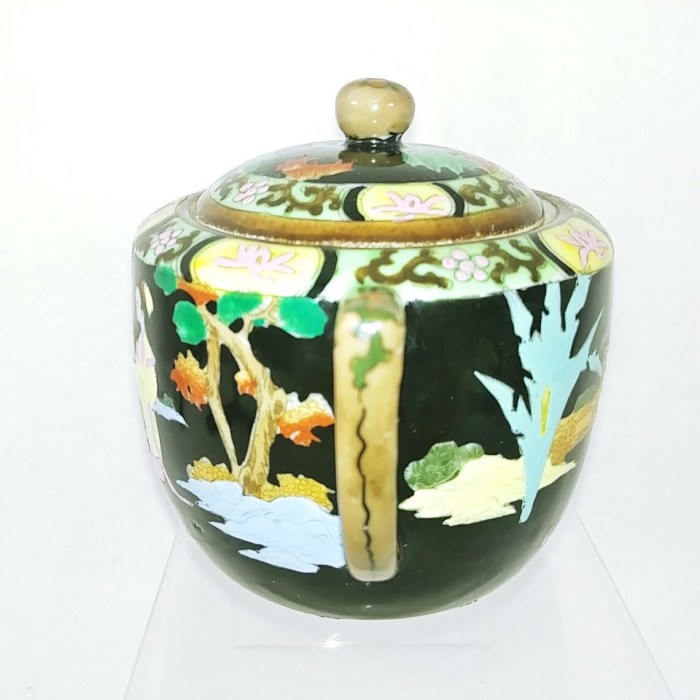
The Japanese sugar bowl aesthetic, a subtle yet profound expression of cultural values, encompasses a range of design principles and materials, often imbued with symbolism. This aesthetic, while sometimes associated with a specific historical period, evolves and adapts, reflecting ongoing artistic and cultural trends. Its appeal lies in its understated elegance, intricate craftsmanship, and the evocative narratives it can tell.The aesthetic draws heavily on centuries of Japanese artistic traditions, blending practicality with artistic expression.
Influences range from traditional tea ceremonies to the principles of Zen Buddhism, emphasizing harmony, balance, and simplicity. The meticulous attention to detail and the selection of natural materials contribute to the overall sense of tranquility and beauty associated with this style.
Core Characteristics
The Japanese sugar bowl aesthetic is characterized by a harmonious blend of form and function. The bowls are not merely vessels for sugar, but miniature works of art that embody the principles of Japanese aesthetics. The style typically prioritizes simplicity, natural beauty, and the interplay of light and shadow.
Historical Context
The aesthetic’s historical evolution reflects shifts in Japanese society and artistic trends. From the intricate craftsmanship of the Edo period to the modern interpretation of traditional motifs, the design language has adapted while maintaining its core values. The introduction of new materials and techniques further enriched the aesthetic, creating a diverse tapestry of styles.
Cultural Influences
The aesthetic is deeply rooted in Japanese culture, drawing inspiration from the country’s rich history and philosophy. The influence of Zen Buddhism, with its emphasis on simplicity and mindfulness, is particularly evident in the understated elegance of many designs. The principles of wabi-sabi, emphasizing the beauty of imperfection and impermanence, further shape the aesthetic.
Symbolic Meanings
The objects within this aesthetic often hold symbolic meaning, reflecting Japanese values and beliefs. The choice of materials, colours, and patterns can convey messages of serenity, harmony, and respect for nature. For example, the use of natural wood often symbolizes the connection to the earth and its cyclical processes.
Materials
A wide range of materials are used in Japanese sugar bowl design. Natural materials like wood, bamboo, and porcelain are frequently employed, reflecting the close relationship between Japanese culture and nature. The selection of materials often plays a key role in the overall aesthetic appeal.
- Wood: Various types of wood, each with its own unique grain and texture, are used to create the bowls. The warm tones and natural patterns of wood contribute to the overall aesthetic.
- Porcelain: The delicate and translucent quality of porcelain creates a sense of ethereal beauty. Its smooth surface and subtle translucence allow light to play across the bowl’s surface.
- Bamboo: Bamboo, with its strong yet flexible nature, is often used for the structural elements of the bowl. Its natural colours and patterns add to the overall visual appeal.
Colour Palettes
The colour palettes used in Japanese sugar bowl design are often muted and natural, reflecting the beauty of the surrounding environment. The selection of colours often creates a sense of serenity and balance.
- Earthy Tones: Shades of brown, beige, and muted greens are common, evoking a sense of connection to nature.
- Subtle Blues and Greens: The use of subtle shades of blue and green often suggests the calming presence of water and vegetation.
- White: White, representing purity and simplicity, is a frequently used colour that balances the more muted tones.
Visual Elements
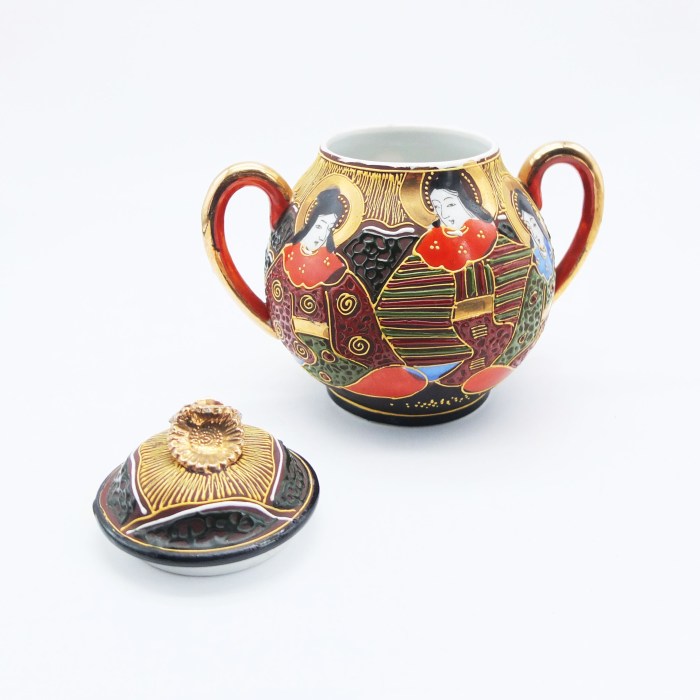
The Japanese sugar bowl aesthetic, a captivating blend of tradition and artistry, is rich in visual elements that contribute to its unique appeal. These elements, carefully chosen and executed, evoke a sense of tranquility, sophistication, and cultural heritage. The visual language transcends mere function, becoming a subtle yet powerful expression of Japanese aesthetics.
Visual Element Analysis
The aesthetic draws inspiration from a variety of sources, influencing the patterns, shapes, and textures employed. The interplay of these elements is crucial to the overall effect.
| Element Name | Description | Cultural Significance |
|---|---|---|
| Floral Motifs | Intricate depictions of flowers, often in full bloom or in delicate arrangements, are prevalent. These motifs symbolize beauty, grace, and the ephemeral nature of life. | Reflecting the appreciation for natural beauty in Japanese culture, these motifs often represent the beauty and transience of nature. |
| Geometric Patterns | Symmetrical and asymmetrical geometric patterns, including circles, squares, and triangles, add a sense of order and harmony to the design. | Geometric patterns often represent balance and order in the universe, aligning with Japanese philosophical ideals. |
| Lacquer | The use of lacquer, a traditional Japanese material, adds depth and richness to the bowls. Its smooth, polished surface creates a sense of refinement and elegance. | Lacquerware represents centuries of craftsmanship and skill in Japan. The intricate layering and polishing processes embody the importance of precision and patience. |
| Wood Grain | The natural wood grain, when visible, provides a connection to the natural world and emphasizes the material’s organic nature. | Natural materials like wood are highly valued in Japanese aesthetics, signifying simplicity and connection to the earth. |
| Asymmetry and Balance | Although asymmetry is often present, the design often achieves a sense of balance through subtle deviations from strict symmetry. | This skillful use of asymmetry is a subtle way to avoid monotony and promote dynamism, while still retaining a sense of visual equilibrium. |
Contrasting Examples
While the core aesthetic maintains consistency, variations exist in the implementation of visual elements. These variations showcase the breadth and depth of the aesthetic, demonstrating its adaptability and versatility.
| Contrast 1 | Contrast 2 |
|---|---|
| A sugar bowl with a predominantly floral design, featuring intricate details and a delicate color palette, emphasizing visual harmony. | A bowl showcasing a bold, geometric pattern, employing contrasting colors and textures, highlighting dynamism and modernity. |
Artistic Techniques
The creation of these bowls often involves a combination of traditional Japanese artistic techniques, highlighting the intricate craftsmanship. These techniques often span generations, passed down through dedicated apprenticeships. The techniques employed often include hand-painting, meticulous carving, and the skillful application of lacquer. The emphasis is on precision and patience, reflecting the importance of these values in Japanese culture.
The artistry often reveals a deep connection to nature and the natural world.
Asymmetry and Balance
The Japanese sugar bowl aesthetic demonstrates a unique approach to asymmetry and balance. It doesn’t strictly adhere to perfect symmetry, but rather achieves a sense of balance through subtle deviations and carefully considered compositional elements. This approach to balance, which isn’t solely reliant on strict symmetry, is a testament to the aesthetic’s sophistication. This subtle asymmetry allows for a more dynamic and engaging visual experience.
The design’s ability to incorporate asymmetry without sacrificing balance is a testament to the skill and understanding of the artists involved.
Practical Applications
The meticulously crafted aesthetic of Japanese sugar bowls, with its emphasis on minimalism, craftsmanship, and often subtle symbolism, offers a rich vein of inspiration for contemporary design. Beyond the realm of tableware, its core principles can be translated into a variety of practical applications, offering a glimpse into a broader design philosophy.The enduring appeal of Japanese sugar bowls lies not just in their visual elegance, but in their ability to seamlessly integrate function and form.
This aesthetic transcends the limitations of a single design discipline, finding resonance in modern design principles and potentially inspiring innovations across various sectors.
Everyday Uses of Japanese Sugar Bowls
Japanese sugar bowls, beyond their traditional function, offer a multitude of everyday uses. Their delicate balance of form and function makes them adaptable to various contexts. For instance, they can be used not only for storing sugar, but also as decorative containers for small items like spices, nuts, or even jewelry. The shallow bowls are also well-suited for holding small fruits or candies, lending a touch of elegance to any setting.
Modern Applications
The minimalist aesthetic of Japanese sugar bowls translates readily into modern applications. Clean lines and muted color palettes, hallmarks of the aesthetic, are frequently adopted in modern interior design. The use of high-quality materials, often seen in these bowls, finds echoes in contemporary furniture and home goods design, emphasizing durability and refined simplicity. Similarly, the concept of thoughtful design and craftsmanship finds resonance in the design of electronics and other consumer products.
Application in Other Design Disciplines
The influence of Japanese sugar bowl aesthetics extends beyond interior design and into other design disciplines. The principle of “wabi-sabi,” which values imperfection and natural beauty, can be applied to architecture, fostering a sense of harmony with the environment. The meticulous attention to detail in the creation of these bowls resonates with the precision and functionality required in product design.
Furthermore, the symbolic nature of certain patterns and motifs can inspire creative solutions in branding and graphic design.
Comparison with Contemporary Design Styles
Materials and Craftsmanship
Traditional Japanese sugar bowls, prized for their aesthetic appeal and craftsmanship, are meticulously crafted vessels often reflecting the distinct characteristics of the region and the potter. The selection of materials and the intricate techniques employed in their creation are deeply intertwined with the overall aesthetic and cultural significance of these objects. The artistry extends beyond mere function, embodying a dedication to form and substance.The materials and craftsmanship involved in producing these bowls reveal a deep connection to the natural world and the rich tradition of Japanese artistry.
From the choice of clay to the application of glazes, each step reflects a commitment to quality and a profound understanding of the material. This careful consideration ensures not only the durability of the bowl but also its ability to enhance the visual experience.
Common Materials in Sugar Bowl Production
The primary material used in traditional Japanese sugar bowls is ceramic clay, sourced from various locations throughout Japan. The type of clay significantly impacts the bowl’s final texture, color, and durability. Different clays produce distinct results, allowing for a wide range of styles and aesthetic expressions. Additionally, some bowls might incorporate wood or lacquer for accents or handles, adding layers of visual interest.
Craftsmanship Techniques
Traditional Japanese pottery techniques are highly developed, often passed down through generations. These techniques involve meticulous preparation of the clay, shaping the bowl through hand-building or throwing on a potter’s wheel, and glazing. Hand-building, especially, emphasizes the unique touch of the artisan, showcasing the variation in each piece. Firing techniques, such as raku or shino, are crucial in achieving the desired finish and color, impacting the visual appeal and texture of the finished product.
Comparison with Other Japanese Craftsmanship
The craftsmanship employed in sugar bowl production shares similarities with other Japanese crafts, particularly in the emphasis on meticulous detail and the preservation of traditional techniques. For instance, the appreciation for asymmetry and natural imperfections found in some sugar bowls mirrors the aesthetic sensibilities of Japanese gardens and ikebana (flower arranging). This shared aesthetic principle underscores the interconnectedness of various Japanese art forms.
Types of Pottery in Sugar Bowl Creation
Various types of pottery are used in the creation of sugar bowls, each contributing to the distinct visual character of the finished product. Different regions in Japan are known for their specific types of pottery, often reflecting local clay sources and traditional techniques. For example, the renowned porcelain from the Seto region is frequently used for its elegance and fine texture.
Similarly, stoneware pottery, characterized by its robustness and earthy tones, can be used for more rustic-style sugar bowls. The choice of pottery type is often a conscious decision, aligning with the desired aesthetic and functionality of the bowl.
Symbolism and Meaning
Japanese sugar bowls, far from being mere vessels for sweet treats, often carry profound symbolic weight, reflecting the deep-seated cultural and aesthetic values of the country. These seemingly simple objects can speak volumes about the era of creation, the social standing of the owner, and the intended occasion. The careful selection of materials, intricate patterns, and subtle motifs all contribute to a rich tapestry of meaning.The symbolism embedded within Japanese sugar bowls is deeply intertwined with the nation’s rich artistic and philosophical heritage.
Motifs often draw inspiration from nature, folklore, and historical events, creating a visual narrative that transcends the purely functional. This connection to the past imbues the bowls with a sense of heritage and tradition, making them more than just everyday kitchenware.
Natural Motifs
The prevalence of natural motifs in Japanese sugar bowl designs reflects the profound connection between humans and nature in Japanese culture. The graceful curves of bamboo, the delicate petals of cherry blossoms, and the majestic forms of pine trees are recurring themes, evoking feelings of serenity, resilience, and beauty. These elements are not merely decorative; they represent core values and philosophical ideals.
For instance, the enduring strength of the pine, often depicted in winter landscapes, signifies resilience and perseverance. Similarly, the ephemeral beauty of the cherry blossom embodies the transient nature of life and the appreciation for fleeting moments of joy. This connection to nature is not just aesthetic but deeply philosophical, aligning with the principles of Zen Buddhism and the appreciation for the natural world.
Symbolic Animals
Japanese folklore and mythology are rich sources of symbolic imagery, often depicted in the designs of sugar bowls. The crane, a symbol of longevity and good fortune, frequently graces these vessels. Its presence suggests wishes for a long and prosperous life. Similarly, the carp, symbolizing strength and perseverance, is another popular choice. The image of a carp leaping upstream, against the current, underscores the resilience of the spirit.
The subtle presence of these animals adds a layer of cultural significance to the sugar bowl, conveying messages of hope, strength, and enduring prosperity.
Floral Patterns
Floral patterns are a recurring theme, adding a touch of elegance and beauty to Japanese sugar bowls. The specific flower motifs hold varying meanings. The delicate petals of cherry blossoms, as previously mentioned, symbolize fleeting beauty and the ephemeral nature of life. Other flowers, such as peonies, signify prosperity and abundance, reflecting the desire for good fortune.
The inclusion of specific flowers allows the sugar bowl to carry a personalized message or evoke a particular feeling, depending on the occasion. Such nuanced symbolism adds depth and complexity to these everyday objects.
Cultural and Historical Context
The choice of symbols in Japanese sugar bowls often reflects the historical and cultural context of the period. During specific eras, certain motifs gained prominence, reflecting the prevailing social and artistic trends. For example, the rise of specific schools of painting influenced the selection of motifs. The inclusion of these elements adds a layer of historical context, allowing observers to understand the artistic and cultural influences that shaped the design.
This historical awareness elevates the sugar bowl beyond a simple decorative item, transforming it into a tangible link to the past.
Symbolic Elements
- Crane: Symbolizes longevity, good fortune, and happiness, often associated with a long and prosperous life. The crane’s image suggests wishes for the best in the future.
- Carp: Represents strength, perseverance, and overcoming adversity. The carp’s image embodies the spirit of resilience, particularly in the context of overcoming obstacles.
- Cherry Blossom: Symbolizes the ephemeral beauty of life, the transient nature of moments of joy, and the appreciation for the present. The fleeting nature of the blossom is often associated with a recognition of life’s limited time.
- Pine Tree: Represents resilience, longevity, and strength, especially in the face of adversity. The pine tree’s ability to thrive in harsh winter conditions often symbolizes enduring strength.
- Bamboo: Represents flexibility, resilience, and adaptability, reflecting the ability to adapt to changing circumstances. Bamboo’s strength in bending without breaking is a valuable metaphor.
Design Principles
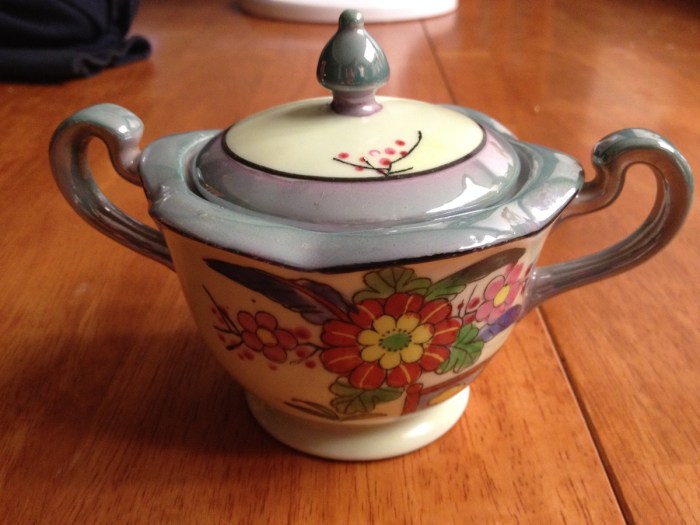
The Japanese sugar bowl aesthetic, deeply rooted in centuries of cultural refinement, is not merely about visual appeal; it’s a meticulous expression of core design principles. These principles, encompassing harmony, balance, and simplicity, dictate the form, function, and overall impact of these meticulously crafted vessels. Their application transcends the purely functional, elevating the sugar bowl to an object of quiet contemplation and artistic appreciation.These principles are not arbitrary; they are deeply intertwined with the philosophical and spiritual underpinnings of Japanese aesthetics.
By understanding these principles, we can appreciate the subtle nuances and the profound beauty embedded within each meticulously designed sugar bowl. The meticulous attention to detail, and the overarching harmony, exemplify the cultural ethos of Japan.
Harmony
The concept of harmony, orwa*, in Japanese design emphasizes a seamless integration of elements. This isn’t merely a visual blending, but a conceptual cohesion where each component contributes to the overall unity of the piece. In sugar bowl design, harmony manifests as a balanced proportion between the bowl’s form, the material’s texture, and the surrounding environment. A harmonious sugar bowl doesn’t clash with its surroundings, but rather complements and enhances the space.
For example, a subtly textured, muted-toned ceramic bowl placed on a simple wooden table evokes a sense of tranquility and elegance, highlighting the harmony of its design.
Balance
Achieving visual balance is critical in Japanese design. This balance extends beyond simple symmetry, encompassing a sense of equilibrium in both form and weight. Asymmetrical balance, often seen in sugar bowl designs, can be achieved through careful consideration of the placement of embellishments, the weight distribution within the bowl’s form, or the interplay of light and shadow. A skillfully crafted sugar bowl will feel balanced, not just visually, but also in the way it feels in the hand.
This balance extends to the bowl’s placement within a room, creating a visual harmony between the bowl and its surroundings.
Simplicity
Simplicity, orsōtō*, is a cornerstone of Japanese aesthetics. It’s not about a lack of detail, but rather about focusing on essential elements and eliminating unnecessary ornamentation. In sugar bowl design, this translates to clean lines, uncluttered forms, and a focus on the material’s inherent beauty. The elegance of a simple, hand-thrown ceramic bowl lies not in elaborate decorations, but in the smooth, flowing contours and the subtle variations in the clay’s texture.
The bowl’s inherent beauty and functionality are prioritized over unnecessary embellishments.
“The essence of Japanese aesthetic design principles lies in the harmonious integration of elements, the careful balance of forms, and the profound beauty of simplicity. These principles, expressed through meticulously crafted details, elevate everyday objects to a realm of quiet contemplation and artistic appreciation.”
Modern Interpretations
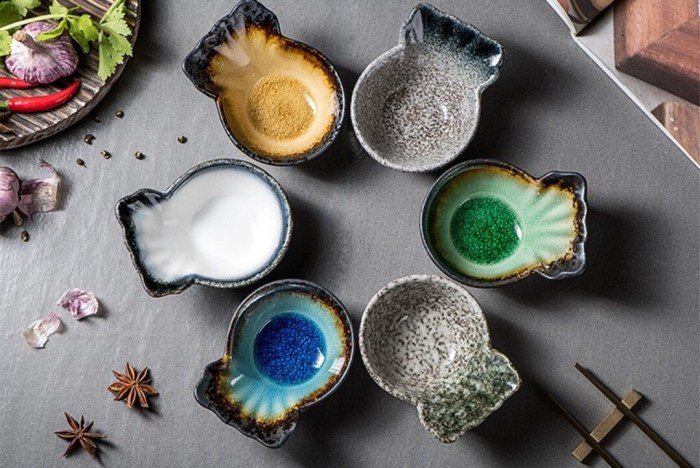
The enduring appeal of the Japanese sugar bowl aesthetic lies in its adaptability. Contemporary designers are not simply replicating traditional forms but are infusing them with modern sensibilities, creating fresh expressions that resonate with contemporary tastes. This fusion of tradition and innovation creates a dynamic interplay between the past and present, ensuring the aesthetic’s continued relevance.Contemporary interpretations of the Japanese sugar bowl aesthetic often involve a reimagining of traditional elements.
These reinterpretations emphasize a blend of functionality and artistic expression, moving beyond mere decorative objects to pieces that reflect the evolving aesthetic preferences of the modern era. This involves a sophisticated understanding of both the historical context and the contemporary demands for design.
Examples of Modern Interpretations
Modern interpretations of the Japanese sugar bowl aesthetic are diverse, encompassing a wide range of materials and design approaches. They often incorporate elements of minimalism, clean lines, and subtle asymmetry.
- Geometric Forms and Abstract Designs: Contemporary designers frequently utilize geometric shapes and abstract patterns to modernize the traditional forms. For instance, a sugar bowl might feature a sleek, angular base, or a sculpted surface with intricate geometric designs. This approach allows for a striking visual contrast with the smooth, rounded shapes often found in traditional pieces. These designs often feature a bold palette, using deep blues, rich blacks, or muted greens, to add contemporary appeal.
- Fusion of Materials: Modern interpretations often explore the interplay of different materials. Contemporary designers might combine traditional materials like porcelain with modern materials like polished metal or glass. This fusion creates a tactile and visual contrast, enhancing the aesthetic appeal of the piece while demonstrating a thoughtful understanding of modern craftsmanship. For example, a sugar bowl might feature a porcelain body with a metallic rim, or a glass base with a wood-inlaid top, creating a dynamic juxtaposition of textures.
- Functional Integration: Modern designers frequently integrate the sugar bowl into a wider functional design context. Instead of standing alone as a decorative piece, the bowl might be part of a tea set, incorporating other utensils and vessels in a cohesive and integrated style. This integrated approach emphasizes the practical application of the design principles, while simultaneously enhancing its aesthetic appeal.
The incorporation of thoughtful ergonomics in the bowl’s design enhances both functionality and visual appeal.
Contemporary Artists Incorporating the Aesthetic
Several contemporary artists are actively incorporating the Japanese sugar bowl aesthetic into their work. These artists draw inspiration from the rich history and cultural significance of the aesthetic, while also injecting their own unique perspectives.
- Ceramists and Sculptors: Contemporary ceramists and sculptors are pushing the boundaries of traditional techniques to create innovative interpretations. They often incorporate modern glazing techniques or use unconventional materials to create unique pieces that echo the spirit of the aesthetic. One example is a ceramic sugar bowl with a sculpted surface that incorporates subtle relief carvings of traditional Japanese motifs, imbued with a modern aesthetic through its minimalist design.
- Industrial Designers: Industrial designers often adapt the principles of the Japanese sugar bowl aesthetic in their work, creating functional objects that possess an artistic quality. This often involves translating the principles of balance, symmetry, and minimalism into contemporary design. A contemporary example is a sugar bowl crafted from high-quality, polished stainless steel, with a subtly textured surface that evokes the aesthetic’s sense of elegance and sophistication.
Role of Materials in Modern Interpretations
The choice of materials plays a crucial role in modern interpretations of the Japanese sugar bowl aesthetic. Contemporary designers carefully select materials to achieve specific visual and tactile effects.
- Sustainable Materials: Increasingly, modern designers are embracing sustainable materials, creating pieces that are both beautiful and environmentally conscious. Examples include the use of bamboo, recycled glass, or reclaimed wood, in creating sugar bowls. These choices reflect a growing awareness of sustainability and environmental responsibility.
- Advanced Manufacturing Techniques: Modern techniques like 3D printing and laser cutting allow for greater complexity and precision in the creation of contemporary sugar bowls. These techniques can be used to create intricate designs and shapes that were previously impossible to achieve, while still maintaining the essential elements of the aesthetic. This innovative use of modern techniques ensures both precision and artistry.
Comparison with Other Cultures
The Japanese sugar bowl aesthetic, characterized by its meticulous craftsmanship, minimalist design, and often subtle symbolism, finds intriguing parallels and stark contrasts in other cultural traditions. Examining these parallels and differences provides a deeper understanding of the unique elements that define the Japanese aesthetic. This comparison highlights the interplay of cultural values and artistic expression in shaping objects as seemingly simple as a sugar bowl.The Japanese aesthetic, often centered around natural forms and harmony, contrasts with some other cultures’ focus on elaborate decoration or symbolic representation.
While many cultures use ceramics and other materials to create sugar bowls, the Japanese approach often emphasizes the inherent beauty of the material itself, rather than elaborate embellishments. This minimalist approach reflects a deep appreciation for simplicity and the subtle interplay of light and shadow.
Similarities in Design Principles
Several design principles resonate across cultures. A shared emphasis on balance and symmetry is evident in sugar bowls from diverse traditions. The careful arrangement of elements within the bowl’s form often reflects the broader cultural value of order and harmony. For example, both Japanese and Chinese porcelain often exhibit symmetrical patterns, showcasing a shared appreciation for balanced composition.
However, the specific techniques and materials used to achieve this balance differ significantly.
Differences in Symbolism
The symbolism embedded within sugar bowls reveals profound cultural differences. While Japanese sugar bowls might incorporate subtle motifs hinting at nature, tranquility, or prosperity, sugar bowls from other cultures might carry more explicit symbolic meanings, reflecting specific religious beliefs or historical narratives. For instance, Egyptian sugar bowls often incorporate hieroglyphs, conveying specific historical or religious narratives. This contrast highlights the varied ways cultures utilize objects to communicate meaning and values.
Unique Characteristics of the Japanese Aesthetic
The Japanese aesthetic possesses a distinctive blend of minimalism, functionality, and profound respect for natural materials. This is evident in the careful selection of wood, porcelain, or metal, often highlighting the inherent beauty of the raw material. The emphasis on simplicity and the integration of natural forms creates a unique visual language. A notable example would be a sugar bowl crafted from subtly-veined wood, where the natural variations of the grain are celebrated instead of being concealed.
Comparative Designs
Comparing Japanese sugar bowls with those from other cultures reveals fascinating contrasts and similarities. A Japanese sugar bowl, featuring a simple, rounded form with minimal embellishments, might be contrasted with a heavily decorated Chinese sugar bowl, embellished with intricate patterns and symbolic figures. An Egyptian sugar bowl, possibly showcasing hieroglyphs and vibrant colors, would contrast with the understated elegance of a Japanese piece.
These diverse examples showcase the interplay of cultural aesthetics in shaping the design of seemingly mundane objects. A simple comparison of forms and embellishments reveals the unique aesthetic values of each culture.
Environmental Considerations
The exquisite craftsmanship and aesthetic appeal of Japanese sugar bowls often overshadow the environmental footprint of their production. Sustainable practices are increasingly important in the creation of these delicate works of art, prompting a closer examination of materials, manufacturing processes, and potential alternatives. This section delves into the environmental impact of current materials, identifies eco-conscious substitutes, and highlights environmentally friendly production methods, all while maintaining the inherent beauty and cultural significance of the sugar bowl.
Material Impact on the Environment
The selection of materials for a sugar bowl significantly impacts its environmental footprint. Traditional materials like porcelain, often derived from kaolin clay, require substantial energy for extraction and processing. Furthermore, the firing process, crucial for the hardening and aesthetic development of the bowl, contributes to greenhouse gas emissions. Similarly, the sourcing and refining of metals like copper or brass, commonly used for decorative accents, involve energy-intensive processes and can impact the environment through mining and refining.
Sustainable Alternatives
Recognizing the environmental impact of conventional materials, designers are exploring sustainable alternatives. Bio-based materials, such as bamboo or plant-derived resins, offer a potentially eco-friendly pathway. These materials, sourced from renewable resources, reduce the reliance on finite mineral resources and minimize the environmental burden associated with their production.
Environmentally Friendly Production Methods
Implementing environmentally friendly production methods is crucial for minimizing the overall impact of sugar bowl manufacturing. Transitioning to energy-efficient kilns and furnaces during the firing process can drastically reduce carbon emissions. Furthermore, adopting closed-loop systems for waste management, recycling materials, and using water conservation techniques in the production process are critical steps towards sustainability.
Materials Selection and Aesthetic
Materials selection can significantly impact the aesthetic appeal of a sugar bowl while simultaneously reflecting sustainability efforts. While traditional materials like porcelain retain a timeless elegance, bio-based materials, like bamboo, can also provide a unique aesthetic. The subtle variations in texture and grain patterns of bamboo, for instance, create distinct visual characteristics. Using recycled materials or reclaimed wood for accents can also provide a distinctive, nature-inspired aesthetic while reducing waste.
Careful consideration of materials and manufacturing processes can result in beautiful sugar bowls that minimize environmental impact.
Historical Evolution
The Japanese sugar bowl, a seemingly simple vessel, reflects centuries of cultural evolution, evolving from functional objects to expressions of artistry and social status. Its aesthetic journey mirrors the broader transformations of Japanese society, from the refinement of courtly life to the rise of industrialization and modern sensibilities. Understanding this evolution unveils the intricate interplay of craftsmanship, tradition, and changing societal values.The aesthetic of the Japanese sugar bowl has been shaped by a complex interplay of cultural values and historical shifts.
Key periods, such as the Heian period (794-1185), the Edo period (1603-1868), and the Meiji period (1868-1912), each left their distinctive mark on the design, materials, and symbolism associated with these vessels. The development of techniques, the availability of materials, and the shifting economic landscape all contributed to the evolution of the form and function of the sugar bowl.
Influence of Key Periods
The Heian period, known for its refined court culture, saw the rise of intricate lacquerware and ceramic techniques. Sugar bowls, often small and delicate, were frequently crafted from prized materials and adorned with elaborate patterns reflecting the period’s aesthetic sensibilities. The focus was on craftsmanship and the representation of natural forms. The Edo period, characterized by a burgeoning merchant class and the rise of artistic styles like ukiyo-e, saw a greater variety in sugar bowl designs.
Increased access to materials and a broader range of artistic expressions led to more playful and decorative designs. Meiji-era sugar bowls, reflecting the nation’s embrace of Western influences, often featured a blend of traditional Japanese motifs and European decorative elements.
Adaptation to Social and Economic Conditions
The availability of materials significantly influenced sugar bowl design. In earlier periods, materials like wood and lacquer, often sourced locally, were dominant. As trade routes expanded and new materials became accessible, such as porcelain and glass, this broadened the possibilities for design. The shift in economic conditions also played a role. During periods of prosperity, sugar bowls could incorporate more luxurious materials and intricate detailing.
Conversely, during times of economic hardship, designs might become more streamlined and functional.
Role of Craftsmanship and Tradition
Craftsmanship has always been central to the Japanese sugar bowl aesthetic. Master artisans, often adhering to strict traditional techniques, passed down knowledge and skills across generations. This commitment to tradition ensured the preservation of specific designs, techniques, and aesthetic principles. The meticulous attention to detail, the skill in handling materials, and the deep understanding of the cultural context are essential to the artistry.
Examples of this can be seen in the meticulous application of lacquer, the precise firing of ceramics, and the intricate carving of wood.
Inspiration for Design
The meticulously crafted aesthetic of Japanese sugar bowls, with its emphasis on minimalism, natural materials, and exquisite craftsmanship, offers a potent source of inspiration for contemporary design. Its enduring appeal stems from a harmonious blend of function and artistry, offering lessons applicable across diverse design disciplines. This refined approach to form and function transcends mere aesthetics, offering a pathway to create objects that are both beautiful and meaningful.The Japanese sugar bowl aesthetic can be effectively integrated into various contemporary design contexts.
Its principles, encompassing a focus on simplicity, natural materials, and meticulous attention to detail, can be seamlessly applied to product design, interior design, and even fashion. This adaptable nature allows for its infusion into modern design while retaining its core values.
Incorporating Principles in Product Design
The Japanese sugar bowl’s minimalist approach to form, often achieved through the use of natural materials like wood and ceramic, prioritizes function and elegance. This ethos translates directly into modern product design, fostering a sense of understated luxury. For instance, a minimalist laptop stand crafted from sustainably sourced bamboo, with a smooth, polished surface, embodies this principle. The focus on tactile experience, evident in the smooth surfaces and warm tones often associated with Japanese design, is vital to creating products that resonate with users.
Another successful application is seen in electronic devices, where the focus on clean lines and muted color palettes can reduce visual clutter and enhance user focus. The aesthetic’s impact is amplified by careful selection of materials and their inherent beauty.
Application in Interior Design
The Japanese sugar bowl aesthetic’s emphasis on harmony with nature is highly relevant in interior design. This translates to incorporating natural materials like bamboo, wood, and stone, and using muted color palettes to create a tranquil atmosphere. The use of natural light, as in traditional Japanese homes, can enhance the feeling of space and tranquility. A contemporary living room, featuring a low, minimalist coffee table made of reclaimed wood, combined with simple, elegantly designed seating and natural fiber rugs, is a perfect example.
The focus on space and light, often achieved with sliding screens or strategically placed plants, brings an element of serenity to the space, mimicking the Japanese approach to interior design.
Creative Design Ideas
Drawing inspiration from the delicate craftsmanship and attention to detail in Japanese sugar bowls, a modern designer could create a series of minimalist jewelry pieces. These could feature intricate, hand-carved details on sterling silver or sustainably sourced wood. Alternatively, a contemporary take on a traditional tea ceremony set could be developed, incorporating sustainable materials and a modern aesthetic. A collection of tableware, showcasing the beauty of natural materials like ceramic or bamboo, would be another viable option, allowing the inherent beauty of the materials to take center stage.
These designs would resonate with a modern audience, reflecting a refined sense of aesthetic and craftsmanship.
Examples of Successful Applications
Contemporary designers are increasingly recognizing the potential of Japanese aesthetic principles in various fields. A notable example is the use of minimalist, natural materials in high-end furniture design. Many contemporary Japanese designers incorporate natural materials and meticulous craftsmanship in their work, creating products that are both beautiful and functional. The minimalist aesthetic of Japanese sugar bowls is being successfully translated into modern clothing lines, where simple cuts and natural tones create a sense of sophistication and timelessness.
The application of these principles demonstrates a growing recognition of the enduring appeal of Japanese design traditions in the modern world.
Final Wrap-Up
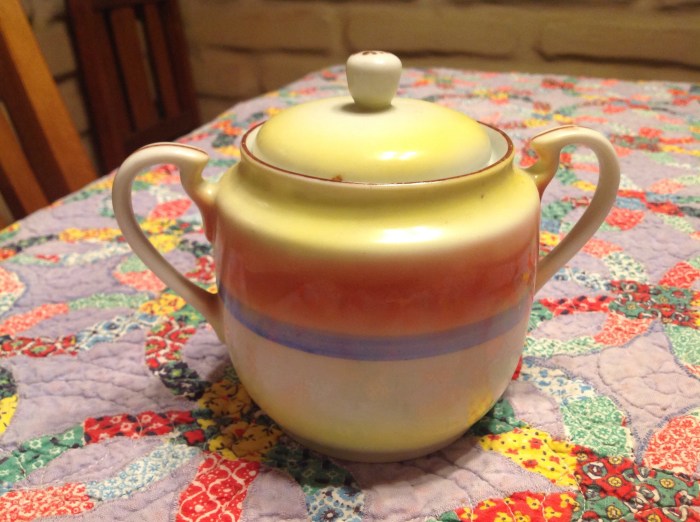
In conclusion, the Japanese sugar bowl aesthetic stands as a testament to the enduring power of design principles. Its harmonious blend of tradition and modernity continues to inspire and influence contemporary artists and designers. From the meticulous craftsmanship to the profound symbolism, the aesthetic offers a profound insight into the rich cultural heritage of Japan, reminding us of the enduring appeal of beauty, function, and tradition in design.
